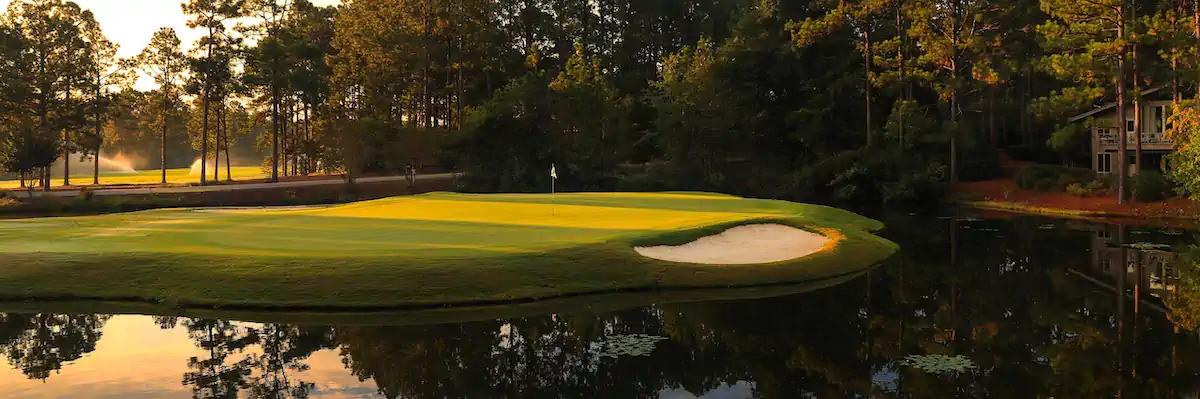
Austin Smotherman birdied the last hole at PGA National in March and didn’t get a trophy. He got past the velvet rope. That birdie lifted him into a tie for second at the Cognizant Classic in the Palm Beaches and booked his first Signature Event start the following week at Bay Hill, where the Arnold Palmer Invitational’s $20 million purse made the previous week’s $9.6 million almost feel second-tier. If you were following Smotherman on that Sunday afternoon, nobody needed to explain the big-money event was still a week away.
In June, I wrote that putting the stars together more often could make the PGA Tour more valuable to media rights holders without stripping hometown tournaments like the Cognizant or John Deere Classic of what makes them worth sponsoring. I still think that can work. But now that the Tour has finalized the competitive structure for its 2028 Championship and Challenger series, a harder question remains: Can it sell the drama of a player earning his way to up the ladder when the stars are shining on another channel?
There’s no mystery about why the Tour wants more marquee Sundays.
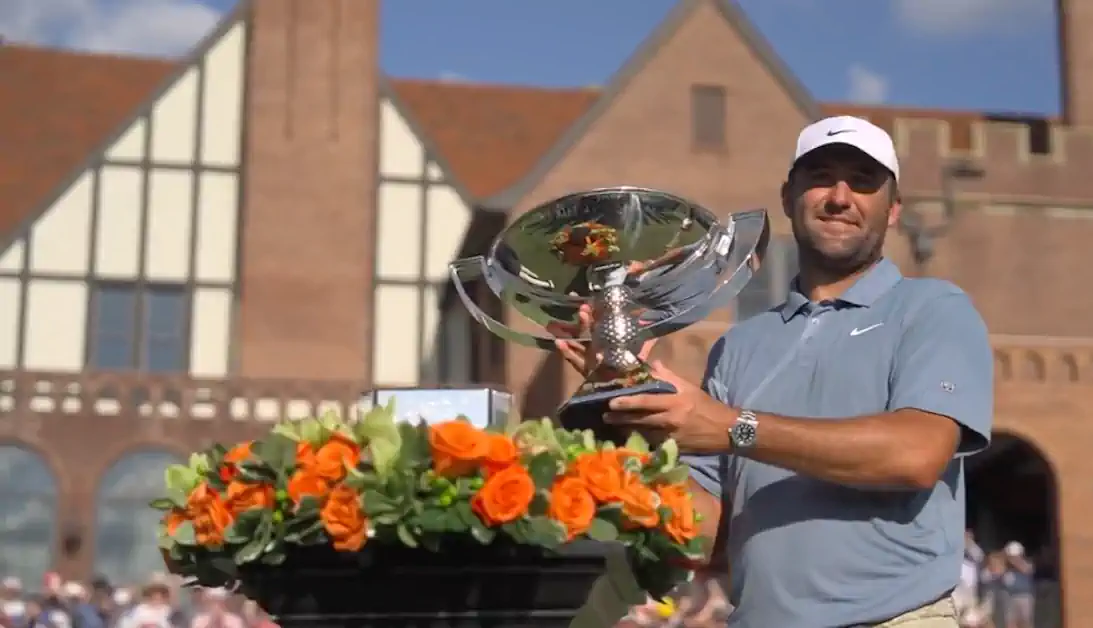
Keegan Bradley beat Tommy Fleetwood and Russell Henley by a shot at the 2025 Travelers Championship, and 3.52 million people watched the final round of that Signature Event on CBS. Ratings on NBC for this year’s edition won by Viktor Hovland increased 19.3% with payday viewing of 4.2 million. Think about how unscripted drama like that can put more recognizable players on the same golf course and give viewers a reason to tune in before anyone reaches the 18th.
Even so, the PGA Tour knows it has to make a very different sales strategy on the Challenger side. While all the details have not been formally announced, CEO Brian Rolapp previously stated that seven events are slated to get their own weeks, on network television, and 13 will air on cable opposite Championship Series events.
Anticipated title sponsorship fees and prize money make the two products distinctly different by design.
On a conference call with national beat writers this week, Rolapp told us the title sponsor bidding process for the top-tier Championship Series has concluded, and the full 2028 schedule will be announced on Feb 22nd.
The focus now shifts to bankrolling the Challenger Series concept with OPM—other people’s money, not to be confused with OMPs, the Official Marketing Partners. That roster reportedly will soon include Visa in place of Mastercard, which is expected to remain the Arnold Palmer Invitational’s presenting sponsor in this evolving new world order.
Rolapp claimed the second-tier Challenger Series is off to a fast commercial start, with signed sponsor agreements for four events and more anticipated in the near future.
“We have a line of sight regarding both venues and partners on more than half of the overall (Challenger Series) schedule,” he said. “We are continuing to build a pipeline of interested partners and moving at a pace that is well ahead of schedule.”
Translation: It’s a work in progress led by Chief Commercial Officer Dhruv Prasad who I talked to at the Tour Championship, but questions still remain.
The Palm Beaches make that clear. Cognizant signed on as title sponsor through 2030, citing the experience it could offer clients and the tournament’s charitable work. Palm Beach County, meanwhile, put a different value on the same tournament. Its proposed nearly $3.38 million presenting sponsorship through 2028 called for at least three hours of live NBC coverage on both Saturday and Sunday. So, a good afternoon hosting clients at PGA National Golf Club might still be time well spent if the tournament moves to cable. For a tourism sponsor buying national exposure for its region, that’s quite a different value equation to consider.
While the elite Championship Series tournaments are fetching more than $30 million apiece in sponsorships, the lower-tier Challenger events are seeking $10 million each, according to reporting in late August by Sports Business Journal. One industry insider recently told me that bidding for the stand-alone network events are already topping that target.
The Tour hasn’t announced where the Cognizant will land in 2028, and the tournament’s spot among richer events has already made it harder to attract top players.
Smotherman’s relevance reminds us what the event can offer even when those players don’t come. He turned that Sunday in the Palm Beaches into a tee time at Bay Hill, then won in both Utah and Bermuda last month. On that March afternoon, nobody knew his PGA Tour trophies were coming. I suppose that’s reason in itself to watch.
The next television deal will tell us what buyers think star golfers are worth. The renewal at a tournament like the Cognizant will reveal something those headline-worthy dollar figures will not: whether the Tour has figured out how to make the week before Bay Hill worth buying on its own.