For most people, buttoning a shirt is a routine part of getting dressed. It takes only a few seconds and little thought. But for people living with Parkinson’s disease, arthritis, injury, aging-related mobility changes, or other conditions that limit hand strength and dexterity, this simple task can become frustrating, time-consuming, or dependent on help from someone else. MagnaReady® was created to address that challenge—not by asking people to sacrifice personal style, but by reimagining how clothing can work for them.
The company’s story began with a deeply personal experience. Don Horton, a college football coach known for an active lifestyle, was diagnosed with Parkinson’s disease. After an away game against North Carolina State University, he found himself in the locker room unable to button his dress shirt because of the condition. One of his players, quarterback Russell Wilson, stepped in to help. The guy who helped lead Seattle to a Super Bowl victory. Although the gesture was kind, that in college moment revealed a loss of independence that Don’s wife, Maura, believed clothing could help restore.
With a background in children’s fashion design, Maura Horton began developing an alternative to traditional buttons. Her goal was straightforward: create a polished, professional shirt that a person with limited finger dexterity could put on independently. The result was MagnaReady, a dress shirt designed with magnetic closures concealed behind a conventional button-front appearance.
“From the outside, the shirt looked like classic menswear. From the wearer’s perspective, however, the magnets let the front of the shirt fasten with far less manipulation than ordinary buttons require,” said Maura.
What began as a solution for one person grew into a larger mission. Maura recognized that many people with limited mobility shared Don’s experience. MagnaReady therefore became more than a clothing brand; it became an adaptive-apparel business built around dignity, accessibility, and everyday independence. The company’s founding idea was that people should not have to choose between clothing that is easy to wear and clothing that makes them feel confident.
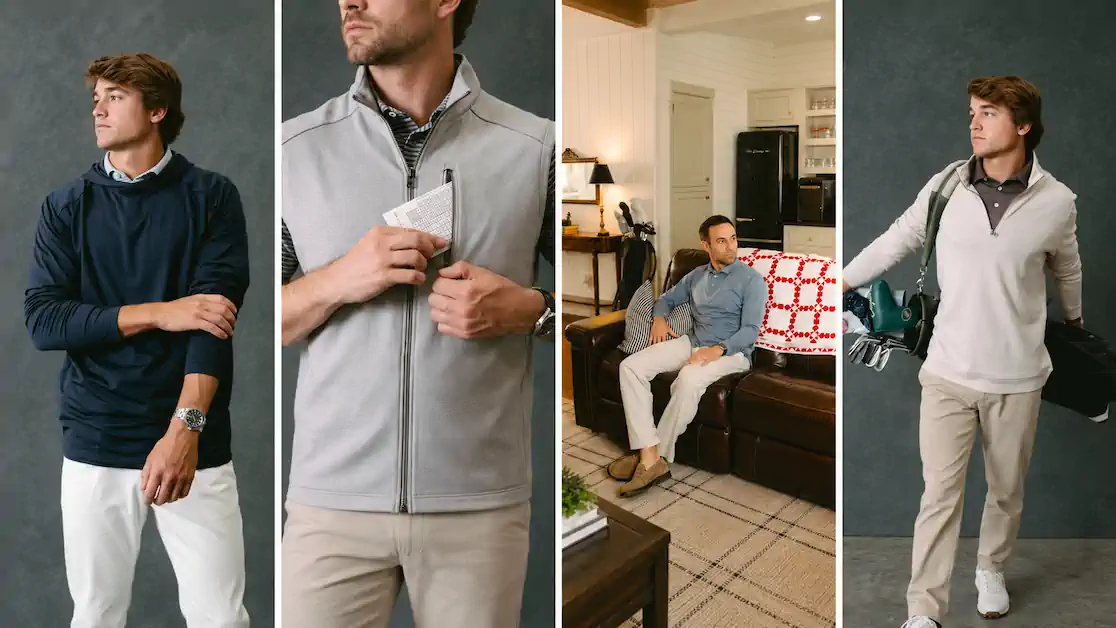
The MagnaReady collection has expanded well beyond its original white and blue dress shirts. Its men’s apparel includes workwear, casual clothing, outerwear, sleepwear, and activewear.
Products feature patented magnetic button closures, magnetic zippers, pull tabs, flat seams, strategically placed pockets, and specialized rises for wheelchair users. The range includes dress shirts, denim shirts, flannels, polos, chinos, shorts, jeans, rain jackets, fleece layers, camp shirts, and sleepwear. These details are designed to reduce barriers that conventional apparel often creates for people with mobility limitations.
The company has also developed women’s apparel through YARROW by MagnaReady®. This collection includes blouses, dresses, tunics, jeans, cardigans, jackets, pants, and sleepwear. Certain garments are designed to make assisted dressing easier for caregivers while helping preserve the wearer’s privacy and dignity. Seated and standing fits acknowledge that clothing needs can differ depending on how a person moves through daily life, whether they use a wheelchair or dress independently while standing.
ULEX by MagnaReady® extends the brand’s inclusive approach into athleisure and casual performance apparel. With pieces intended for exercise, errands, relaxed workdays, and social activities, the line brings adaptive features into clothing categories where comfort and mobility matter especially. Magnetic-zipper track jackets, track pants, windbreakers, polos, wrap cardigans, and easy-wear pants illustrate the company’s effort to make functional design part of modern everyday style.
Today, MagnaReady operates under David Peyser Sportswear, a company founded in 1948 and based in Bay Shore, New York. Yet MagnaReady’s identity remains rooted in its original purpose: helping people retain control over an essential daily ritual. By combining magnetic technology with familiar silhouettes, the brand demonstrates that adaptive clothing can be practical, fashionable, and empowering. Its products are not simply about getting dressed more easily. They help people start each day with greater confidence, autonomy, and comfort.