Some golf anniversaries invite a look backward. Great Dunes offers a compelling reason to book the next round.
As Jekyll Island prepares to mark the course’s centennial in 2027, this Georgia coastal landmark has something more substantial to celebrate than longevity. After a multimillion-dollar restoration, Great Dunes has returned as an 18-hole experience that reconnects golfers with Walter Travis’s architectural vision while meeting the environmental demands of its barrier-island setting.
For golfers assembling their 2027 travel calendars, the appeal reaches beyond one historic course. Pair Great Dunes with Indian Mound, Pine Lakes, and a stay at Jekyll Island Club Resort, and the anniversary becomes an invitation to explore an entire island through its golf.
Great Dunes Begins Its Next Century
The most meaningful part of this centennial story is already open for play.
Great Dunes reopened November 1, 2025, following a project led by architects Brian Ross and Jeffrey Stein. Their assignment combined the restoration of nine surviving Travis holes with nine new, Travis-inspired holes on land from the former Oleander Course. The result gives the historic layout a complete 18-hole identity again.
That distinction matters. This is a restoration and an architectural interpretation: surviving pieces of the original course share a routing with new holes conceived in the same spirit.
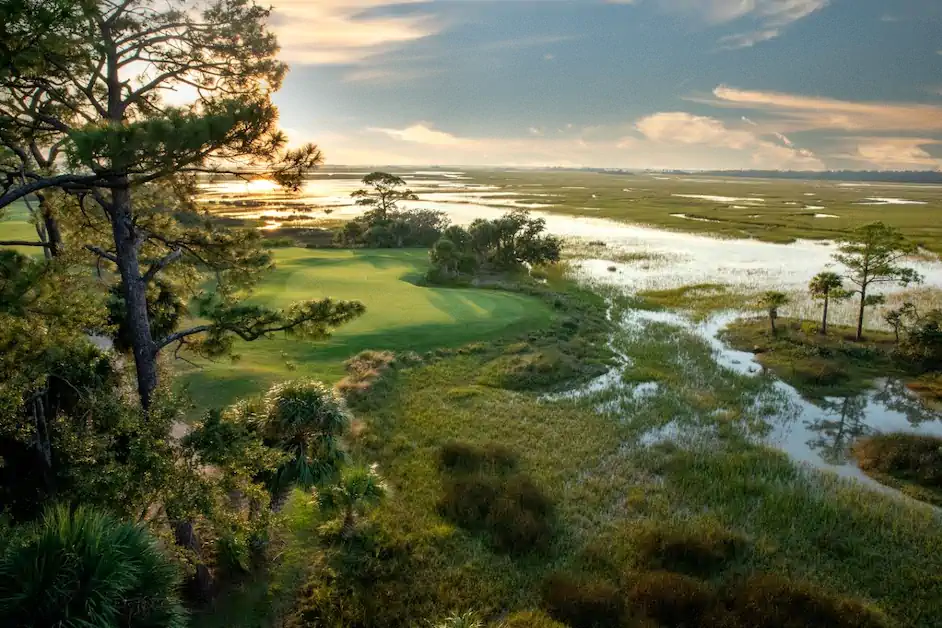
The architects searched vintage photographs, aerial images, and postcards to understand what had made the earlier course distinctive. Historical imagery even inspired a green based on one lost to the ocean—a reminder that preserving coastal golf sometimes means recovering ideas when the original ground is gone.
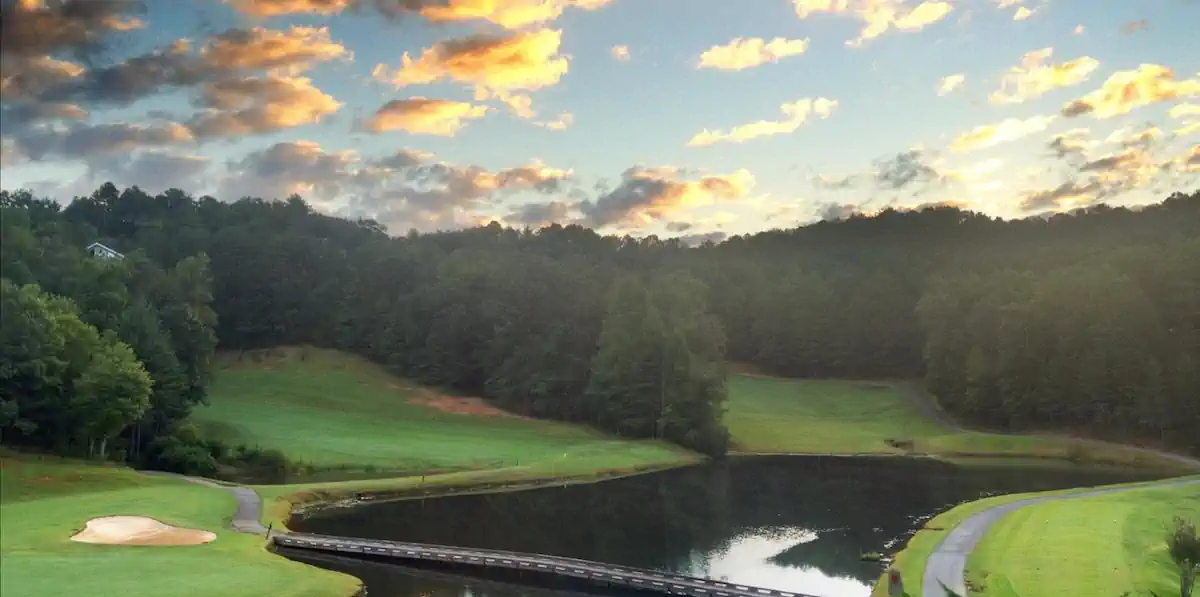
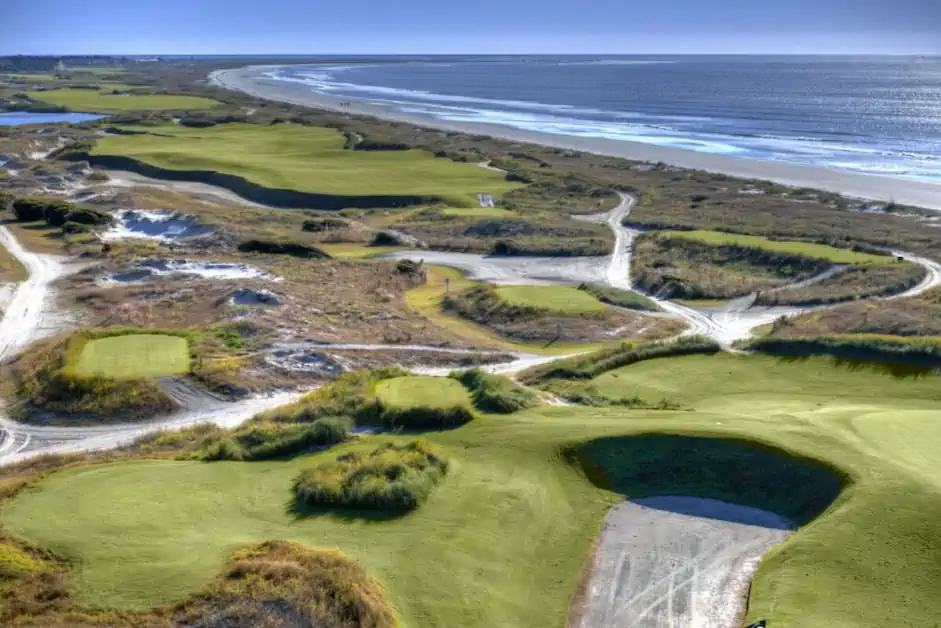
For visitors, that research translates into something more engaging than a history lesson. The course moves through maritime forest, dunes, and coastal scenery, asking golfers to consider angles, contours, and the consequences of an ambitious approach.
The restoration also strengthens Jekyll Island’s place on the Georgia Golf Trail. As Doug Hollandsworth, the trail’s founder, previously told Golf One Media, “They showcase the beauty of coastal Georgia while offering golfers a chance to play on layouts that are both historic and challenging.” With Great Dunes approaching its centennial, that combination gives golfers a compelling reason to experience the island’s next chapter.
A Golf Legacy Beyond the Gilded Age
Golf on Jekyll Island predates Great Dunes, reaching back to the late 1890s, when the game became another attraction for members of the exclusive Jekyll Island Club.
The island’s golf story also includes experimentation. In 1924, the United States Golf Association used Jekyll as a testing ground for steel-shafted clubs and golf-ball performance. Long before modern equipment laboratories became a familiar part of the sport, this winter retreat helped examine the tools golfers would carry into the future.
Travis’s seaside design added another chapter. Today, the Jekyll Island Authority identifies Great Dunes as his final design and one of relatively few opportunities for the public to experience his work. That accessibility gives the anniversary particular resonance: a course commissioned for an exclusive club now welcomes visiting golfers.
Protecting the Landscape That Makes the Golf Special
The restoration’s most forward-looking achievement may be beneath the turf.
According to the Jekyll Island Authority, Great Dunes is Georgia’s only golf course using a brackish-water irrigation system. Paired with salt-tolerant seashore paspalum, the approach reduces dependence on freshwater while supporting golf in a coastal environment.
The work also included dune restoration, turf reduction, and irrigation and drainage improvements. These investments recognize a simple truth: the landscape supplies much of the course’s character, so its health belongs at the center of the design.
That gives the centennial a purpose beyond nostalgia. Great Dunes is entering its next century with infrastructure designed for the place it occupies.
Indian Mound: Shorter Yardage, Plenty to Consider
A second round on Indian Mound changes the conversation.
Designed by Joe Lee and constructed in 1975, the par-72 course measures 6,469 yards. It is the shortest of Jekyll’s three 18-hole layouts, but its woodland setting and strategically positioned fairway bunkers reward attention.
The course’s par 4s offer opportunities to score when golfers place the ball well enough to capitalize on shorter approaches. Its par 5s and most par 3s demand more than the yardage suggests.
For a golf trip, Indian Mound complements Great Dunes: another architectural personality, another landscape, and another reason to stay an extra night.
Pine Lakes: A Round for the Whole Golfing Family
Pine Lakes adds a different strength to the itinerary, especially for multi-generational groups.
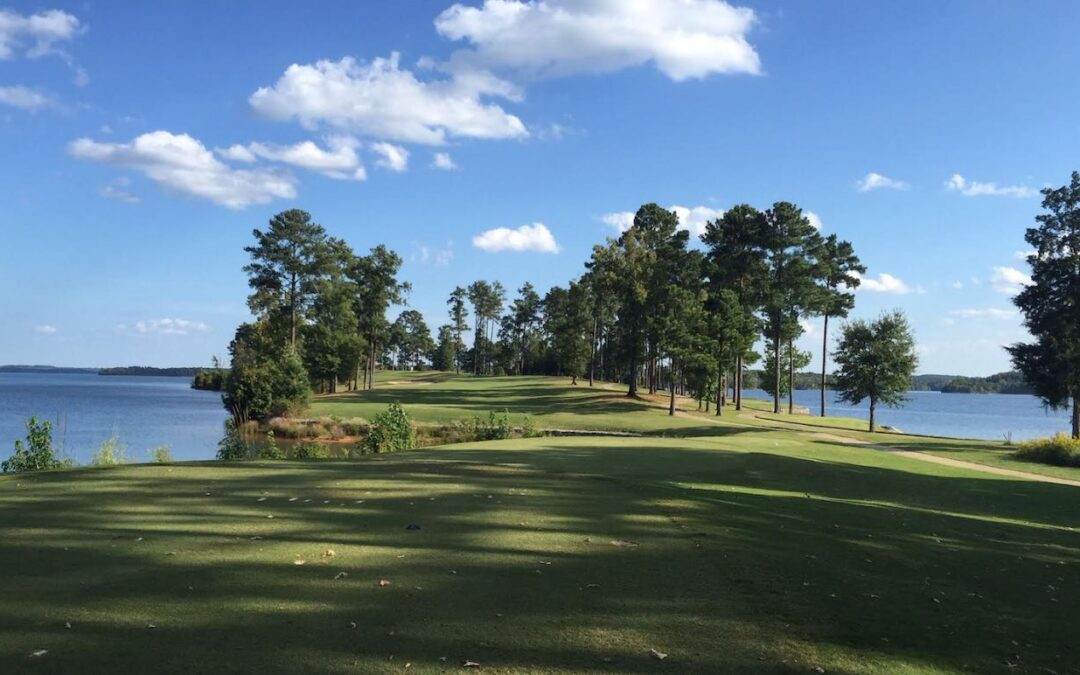
Originally built in 1968, redesigned in 2002, and renovated in 2024, the par-72 course measures 6,701 yards. The route winds through coastal forest and marsh hammocks, while the latest renovation refreshed the tees, fairways, greens, and bunkers.
Its family-oriented tee system is especially appealing. By giving younger golfers appropriate starting positions, Pine Lakes helps adults and children share a competitive round without requiring everyone to tackle the same distances.
For families making the centennial part of a broader vacation, that flexibility can be as valuable as another championship tee.
Jekyll Island Club Resort: Stay Inside the Story
The natural lodging companion to a historic golf trip is Jekyll Island Club Resort.
The resort connects visitors to the island’s private-club past through its historic Clubhouse and restored cottages, including Sans Souci, Crane, and Cherokee. Major renovations completed in 2024 added another layer of renewal to the historic property. Travelers who prefer waking beside the Atlantic can choose the resort’s all-suite Jekyll Ocean Club, which opened in 2017.
After golf, The Wharf offers Southern cooking and a waterside sunset setting, while Eighty Ocean Kitchen and Bar brings coastal cuisine and Lowcountry flavors to the oceanfront. The Grand Dining Room supplies a fitting setting for travelers who want the historic atmosphere to continue through their meal.
A Centennial Worth Playing
Great Dunes supplies the occasion. Jekyll Island supplies the reasons to linger.
Across three public 18-hole courses, golfers can experience a restored Travis legacy, Joe Lee’s woodland challenges, and a family-friendly round at Pine Lakes. Beyond the fairways, the resort extends the journey into the island’s remarkable past. Source: Jekyll Island Golf Club
A century is worth celebrating. On Jekyll Island, the best way to honor it may be to take the first tee—and leave enough time for another round.