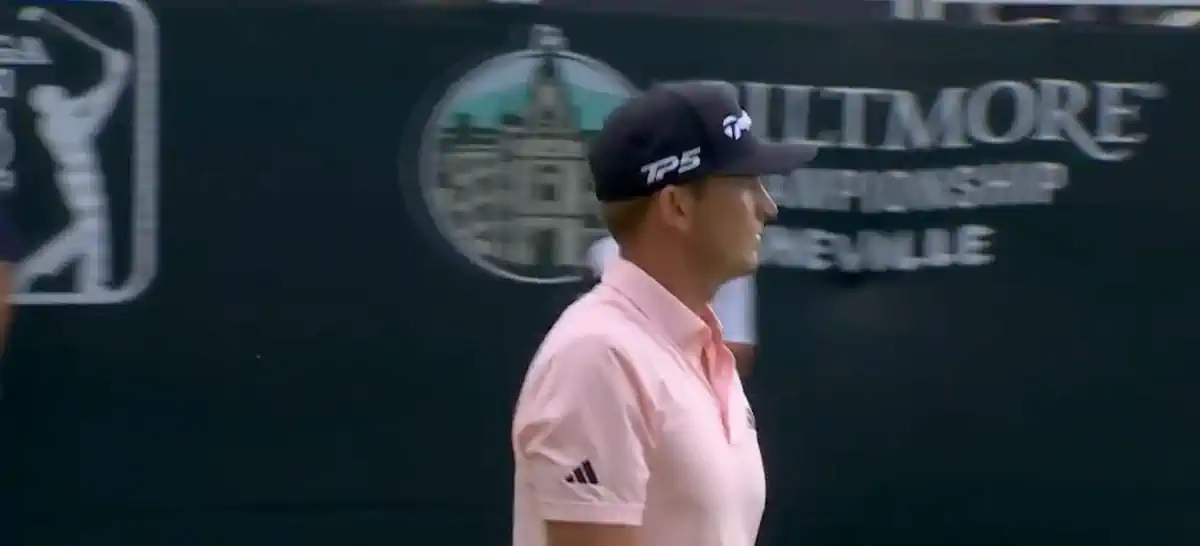
As the TOUR Championship returns to East Lake this week, it arrives at an important moment for professional golf.
For the top 30 finishers in Sunday’s BMW Championship, led by tournament winner Wyndham Clark and World No. 1 Scottie Scheffler, Atlanta remains one of the season’s most exclusive stages: a historic venue, an elite field and a chance to close the year with a defining victory. For the PGA TOUR, however, it also represents the final stretch of a familiar postseason model. The current format will continue through 2027 before the TOUR Championship enters a new era the following year.
That transition is more than a scheduling change. It is an opportunity to sharpen the identity of golf’s postseason and build a finish that is easier for fans to follow, appreciate, and anticipate.
Team sports offer a familiar blueprint. The regular season identifies contenders, playoffs heighten the pressure, and a championship game, or series, settles the debate. The Super Bowl caps the NFL season. The NBA Finals frame months of conversation about talent, depth and resilience. March Madness turns a long college basketball calendar into three weeks of win-or-go-home, high-stakes drama. College football, after years of debate over polls and selection, now has a clearer path to its championship.
Golf doesn’t mirror those formats exactly—and it shouldn’t try to. Its individuality is part of its appeal. Players face different courses, weather conditions and fields throughout the year, while the four major championships retain a unique place in the sport’s hierarchy.
Still, professional golf at its best benefits when its biggest moments are straightforward. That’swhy the PGA TOUR’s decision to eliminate starting strokes was a meaningful correction. Here at East Lake, the player with the best 72-hole score wins the TOUR Championship. Last year, defending champion Tommy Fleetwood demonstrated the value of that clarity. A tournament winner should always be the player who plays the best golf over four rounds.
The season-long race can—and should—still carry weight. Players who perform at a high level for months deserve meaningful advantages in qualification, seeding, and access to the final stage. The challenge for the PGA TOUR is to preserve that reward while ensuring fans understand what is at stake, who is advancing, and what a player must do to win.
The TOUR Championship will remain at East Lake through next year. After that, it is expected to rotate among prestigious venues, potentially including courses that have not previously hosted a PGA TOUR event. The redesigned postseason may also include match play, which could bring direct, head-to-head competition that can make every hole feel consequential.
There’s been a lot of chatter, but nothing has been announced about a desire to bring the championship to revered clubs such as Pine Valley, Cypress Point and Seminole. If that’s the case, East Lake could remain part of the TOUR’s future rotation. But the objective is to encourage it to become a final destination that draws the game’s best players to a variety of golf’s most compelling settings.
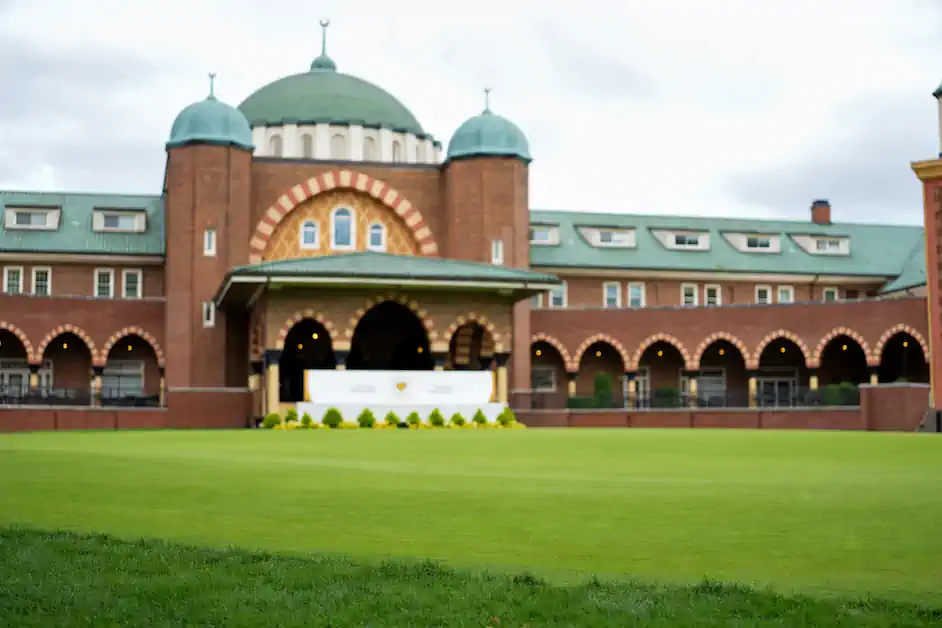
East Lake has been a quality course. It places a premium on strategic driving, precise iron play, disciplined decision-making and putting under pressure. It has also provided the PGA TOUR with valuable continuity as it built the FedExCup Playoffs into a significant late-season media rights property.
A rotation, though, can add energy. Different venues create distinct tests, visuals and storylines. A season-ending title at a course with architectural character and history can feel special even before the opening tee shot. It can also give fans a chance to see elite players compete at clubs that may not fit the conventional weekly-touring model.
The key is consistency.
Fans can learn almost any format when it is stable, clearly communicated and given time to develop. Innovation is welcome when it makes the competition more compelling. It becomes a problem only when it adds unnecessary math, frequent revisions or uncertainty about what players are actually chasing.
Match play could be a promising part of the solution. It naturally creates conflict, gives viewers an immediate narrative, and turns individual holes into pivotal moments. One player is trying to beat another; the stakes are easy to understand.
But the details matter. How many players qualify? How does season-long performance translate into an advantage? Will stroke play remain part of the TOUR Championship? And how will the event winner relate to the season-long points champion?
Those questions are not obstacles. They are the opportunity. A well-designed answer could give the PGA TOUR a postseason that honors long-term excellence while delivering a decisive, memorable conclusion, which seems to be why CEO and soon-to-be commissioner Brian Rolapp has been taking his time unveiling this work in progress.
The FedExCup branding may also change after 2027, when FedEx’s title-sponsorship agreement ends. The FedEx St. Jude Championship likewise will no longer open the three-event postseason after that season. Those shifts are significant, particularly given Memphis’ longstanding connection to FedEx and St. Jude Children’s Research Hospital.
Yet the larger message is positive: the PGA TOUR is not abandoning its postseason. It is investing in and reinventing its next chapter.
This week at East Lake remains a showcase for the game’s best players, a premium platform for broadcasters and sponsors, and a meaningful final act after the major championships have been decided.
Beginning in 2028, the TOUR has a chance to make that finish even stronger—clearer, more distinctive and worth watching until the final putt drops.
Photo courtesy of George McNeilly (Golf One Media)